

Why Search Engine Optimization (SEO) Is Essential for Business Growth
In today’s digital-first economy, having a website is no longer enough. Businesses must ensure their websites are easily discoverable, credible, and competitive online. This is where Search Engine Optimization (SEO) plays a critical role. SEO is the practice of optimizing a website to improve its visibility in search engine results, helping businesses attract qualified traffic, build trust, and generate consistent growth.
What Is Search Engine Optimization?
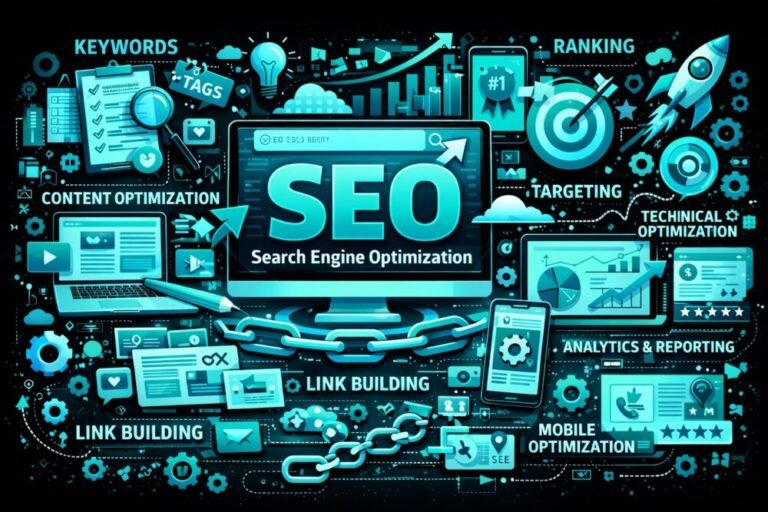
Search Engine Optimization is a strategic process that improves how search engines like Google understand, rank, and display your website. SEO encompasses several core components, including:
Keyword research and optimization
High-quality content creation
Technical website performance (speed, structure, mobile usability)
On-page optimization (titles, meta descriptions, headings, images)
Off-page signals such as backlinks and online authority
When implemented correctly, SEO helps search engines match your website with users actively searching for your products or services.
Increased Visibility and Organic Traffic
One of the most significant benefits of SEO is increased visibility in search engine results. The majority of online experiences begin with a search engine, and most users never scroll past the first page of results. Businesses that rank higher gain greater exposure, credibility, and traffic.
Unlike paid advertising, organic search traffic is sustainable and cost-effective over time. A well-optimized website can continue generating leads and customers long after the initial SEO work is completed.
Builds Credibility and Trust
Search engines prioritize websites that demonstrate authority, relevance, and a strong user experience. High rankings signal trustworthiness to users, making them more likely to engage with your brand.
SEO best practices—such as fast load times, secure connections (HTTPS), clear navigation, and helpful content—also improve user experience. This combination strengthens your brand reputation and positions your business as a credible industry leader.
Targets High-Intent Customers
SEO connects your business with users who are actively searching for solutions. These users are often further along in the buying process, making organic search traffic highly valuable.
For example, someone searching for “custom website design near me” or “best digital marketing agency” is demonstrating clear intent. SEO ensures your business appears at the right time, in front of the right audience.
Enhances User Experience
Modern SEO is deeply connected to user experience (UX). Search engines favor websites that are:
Mobile-friendly
Fast-loading
Easy to navigate
Well-structured and readable
By optimizing for SEO, businesses naturally create better websites for their visitors, leading to higher engagement, longer session times, and improved conversion rates.
Supports Long-Term Marketing Strategy
SEO is not a short-term tactic—it is a long-term investment. While results take time, the cumulative benefits are substantial. Strong SEO reduces dependency on paid advertising, lowers customer acquisition costs, and provides consistent traffic growth.
When combined with content marketing, social media, and conversion optimization, SEO becomes a foundational pillar of a successful digital marketing strategy.
Provides Measurable Results and Insights
SEO offers powerful data and analytics that help businesses understand customer behavior, search trends, and performance metrics. Tools like Google Analytics and Search Console allow businesses to track:
Website traffic and sources
Keyword rankings
User behavior and engagement
Conversion paths
These insights enable informed decision-making and continuous improvement.
Competitive Advantage in Your Industry
Businesses that invest in SEO gain a significant competitive edge. If your competitors are ranking higher in search results, they are capturing traffic and customers that could be yours. Conversely, strong SEO allows you to outperform competitors, dominate local or regional markets, and establish long-term digital authority.
Conclusion
Search Engine Optimization is no longer optional—it is essential for any business that wants to succeed online. SEO increases visibility, builds trust, attracts high-intent customers, improves user experience, and supports sustainable growth.
By investing in a well-planned SEO strategy, businesses position themselves for long-term success in an increasingly competitive digital landscape.